

THE WILDERNESS ANTHOLOGY
FOR STRING QUARTET AND PRERECORDED AUDIO SOUNDSCAPES
PREMIERED: SPRING April 3rd, 2016: Penny Stamps Auditorium, Ann Arbor, MI
Upcoming studio recording: WINTER 2020
ABSTRACT: My dissertation is comprised of both an evening length musical composition and research studying sound as a potential indicator of the condition of an ecosystem. It samples two areas, the remote Book Cliffs region in the United States and parts of the Amazon rainforest. The Book Cliffs is subject to imminent oil exploration and drilling pending an environmental impact report to which this dissertation can contribute, and the Amazon is under continual pressure to extract natural resources. Extensive field recordings from these areas are incorporated into the composition, which draws parallels between the concert hall and the natural world. Through art I will convey complex theories in soundscape ecology to a broad audience, and through the data gathered argue for the continued preservation of these sonic landscapes and the increasing importance of sound as an indicator of the condition of an ecosystem.
LISTEN FOR: Biophony: sounds of all living organisms (non-human)
Geophony: sound of the environment (wind, rain, waterfalls)
Anthrophony: manmade noise
ABSTRACT
The Wilderness Anthology:
A Preservation of Sonic Landscapes for String Quartet and Pre-recorded Audio
The Wilderness Anthology (2014-16) is a music composition for string quartet and pre-recorded audio soundscapes from the Peruvian Amazon Rainforest and Book Cliffs in the Utah and Colorado. The work employs audio from these environmentally imperiled disappearing soundscapes (sum total of audio in a given environment) with live string quartet drawing relationships between sounds found in the natural world and those in the concert hall.
Though almost entirely overlooked in the field of sustainability, soundscapes are a critical component of an ecosystem, a potential indicator of biodiversity, a valuable tool in predator and prey dynamics, and a clear signal in a frequently visually cluttered or camouflaged landscape. The Book Cliffs and portions of the Amazon where these recordings were gathered are virtually uninhabited but under continual pressure for resource extraction. Through a combination of habitat loss, species decline, ecological destruction, and resource extraction, soundscapes are becoming less apparent and acoustically diverse. Human generated noise masks sound from biological and geographic sources, while technology increasingly insulates humans inside of an artificial sound environment. This lack of attention and awareness coupled with noise pollution and environmental degradation is permanently altering soundscapes and ecosystems. The Wilderness Anthology focuses listener’s attention on this issue.
The Wilderness Anthology employs the transcription of bird calls, imitation of a soundscape by the performers, and evokes the visual and the romanticized ideal of humans in nature. Evocation is achieved through suspended harmonic rhythm, heightened activity, and string harmonics simulating tinnitus which is apparent in quiet places.
The Wilderness Anthology has seven movements: Reverence: Dusk, Jungle Disco, Ecstatic, Static, Machinal, Nightscape, and Reverence: Dawn. It was premiered on April 3rd, 2016 by Grace Kim, Lijia Phang, Kristina Willey, and Richard Narroway.
It is ideally performed in a concert hall with a high fidelity audio system for audio playback. The work can be performed with or without projected images. The audio was recorded on location in 2013-14 with a SoundDevices 702 recorder and a pair of DPA 4006 stereo microphones. The audio is packaged in a MaxMSP patch and triggered by a Logidy midi-pedal.
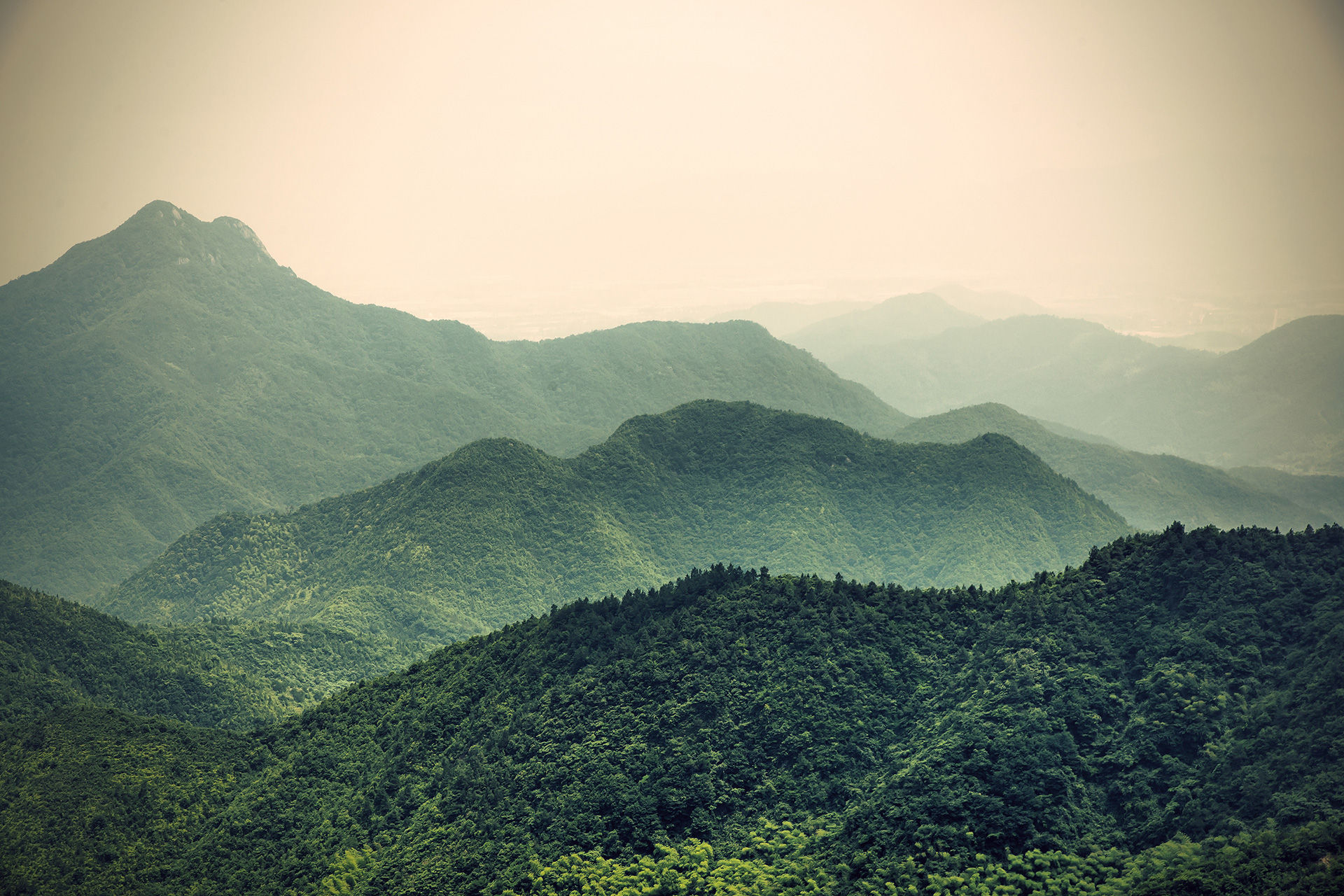
REGIONS: BOOK CLIFFS, UTAH || AMAZON BASIN, PERU
MOVEMENTS
i. reverence
ii. jungle disco
iii. ecstatic
iv. static
v. extraordinary machine
vi. nightscape
vii. reverence/dawn